
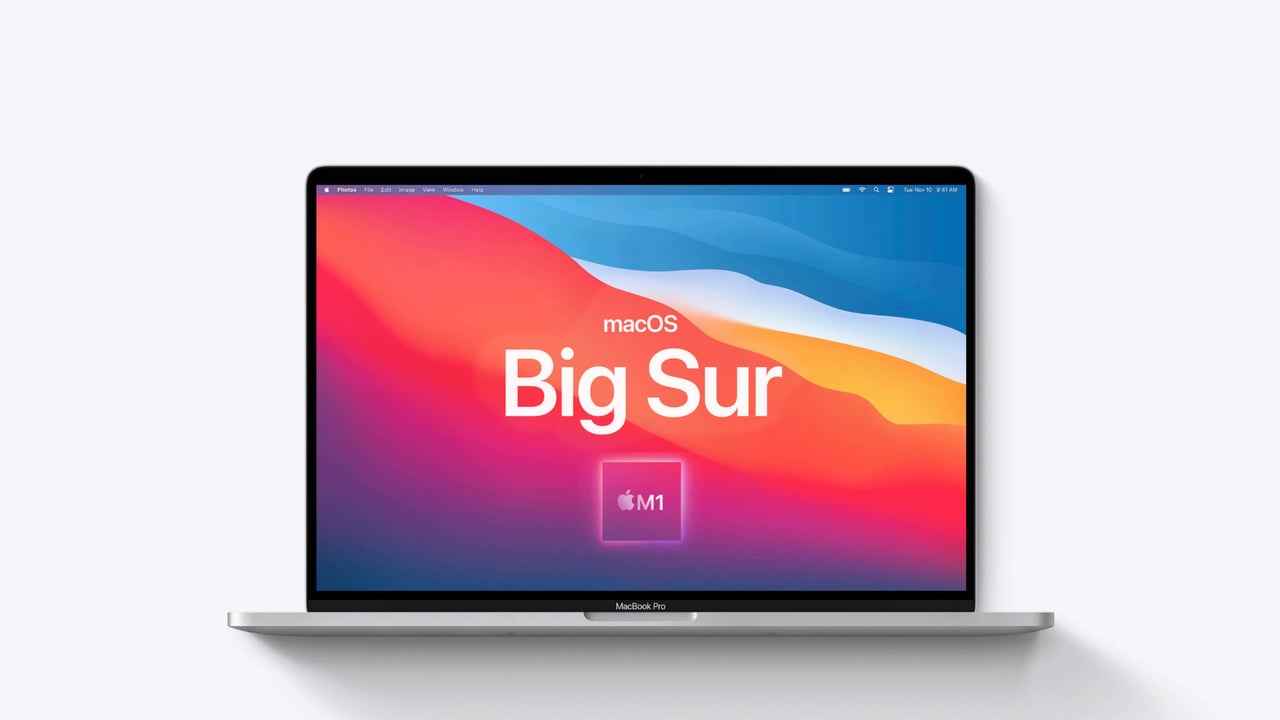
Sophos Endpoint – not for macOS Big Sur or Apple Silicon (yet)
In June, Apple presented macOS 11 (Big Sur) to the public for the first time. From that point on, developers could begin preparing for the new version. For Sophos, that window has unfortunately not quite been long enough.
Today, 12 November 2020, the new OS is available free of charge to all users. If you use the Sophos Central Endpoint Client, you should not install the update yet, as Sophos Endpoint protection will no longer work afterwards. 🤯
Sophos will soon release an Early Access Program (EAP) version that supports the new macOS. The final release is planned for December 2020 / January 2021.
Central Device Encryption version 1.5.3 already supports macOS 11. However, because it is often deployed together with Endpoint Protection, the recommendation is still to wait.
Sophos and Apple Silicon
Also in June 2020, Apple announced Apple Silicon – its own processors based on the ARM architecture, already used in the iPhone and iPad. Over the next two years, these chips will be rolled out across the entire Mac lineup. It was clear early on that the first Macs with the new processors would appear at the end of 2020.
To give developers a head start, Apple provided Developer Transition Kits in advance. On 10 November 2020, Apple introduced three new Macs that will begin shipping to customers from late November.
As Apple fanboys, we naturally ordered one as well.
At the time of writing, Apple does not yet support Windows on ARM for these Macs – work is ongoing. It seems likely that ARM‑based Macs will be supported sooner or later, but at the moment nothing has been officially announced.
Rosetta 2 (emulation)
For many applications, five months is simply not enough to port all code to a new processor architecture. To bridge that gap, Apple introduced Rosetta 2.
Rosetta 2 is an emulator built into macOS Big Sur that enables ARM‑based Macs to run Intel applications. In simple terms, Rosetta 2 translates instructions compiled for Intel processors into commands that Apple Silicon chips can execute. Developers do not have to change their existing Intel apps; in many cases they just work.
We will, of course, test whether this also applies to Sophos products and whether the Central Endpoint Client runs reliably when emulated via Rosetta 2. 😇